
square vanity mirror with lights
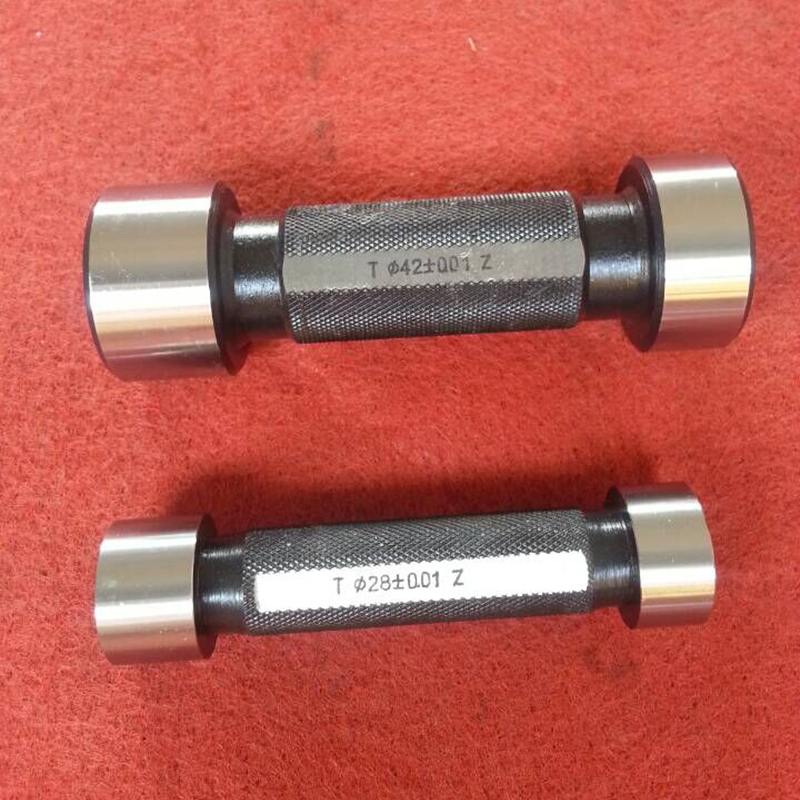
The Importance and Use of Pin Gauges in Precision Measurement In the realm of manufacturing and engineering, precision measurement is of utmost importance. One essential tool used for this purpose is the pin gauge, a simple yet highly effective instrument. Pin gauges play a crucial role in ensuring that parts conform to specified tolerances, which is vital for the quality and functionality of various mechanical components. In this article, we will explore the importance of pin gauges, their construction, and their applications in various industries. Understanding Pin Gauges Pin gauges are cylindrical rods of a specific diameter and length used primarily to measure the hole sizes and dimensions of various components. They are typically made from high-carbon steel or another durable material, ensuring that they maintain their dimensional integrity over time. Pin gauges come in a variety of sizes, allowing for a range of measurements, often categorized by a systematic arrangement for easy identification. The design of pin gauges is straightforward, consisting of precise cylindrical bodies that are uniform in diameter. They can come in either fixed sizes or in sets, offering a range of diameters for comprehensive measurement capabilities. In some instances, pin gauges are also manufactured with a specific coating or finish to prevent rust and wear, further enhancing their longevity. The Role of Pin Gauges in Manufacturing In manufacturing processes, the precision of machined components is critical. Pin gauges serve multiple functions in quality control 1. Measurement of Hole Diameters Pin gauges can be inserted into holes to verify their diameters. This process ensures that the holes meet the required specifications, which is essential for proper component assembly. 2. Go/No-Go Testing A common application for pin gauges involves the go/no-go gauge principle. In this method, a pin gauge of a specific size is used to test whether a hole is within the acceptable tolerance range. If the go gauge fits, it indicates that the hole is large enough; if the no-go gauge does not fit, it signals that the hole is too large. 3. Alignment and Positioning Pin gauges can also aid in checking the alignment of holes within an assembly, ensuring that components fit together as intended without undue stress or misalignment. Applications Across Industries pin gauge use Pin gauges are invaluable in various sectors, including - Automotive Industry In vehicle manufacturing, precision is crucial. Pin gauges are regularly used to check hole sizes for engine components, suspension systems, and other parts that must fit together with high precision. - Aerospace Sector The aerospace industry demands extreme accuracy due to the high-stakes nature of flight. Pin gauges are employed in the inspection of components such as turbine blades and fuselage sections, where even minute deviations can have severe consequences. - Medical Devices In the production of medical instruments and devices, strict tolerances are necessary to ensure patient safety. Pin gauges help verify the dimensions of holes in surgical tools, diagnostic equipment, and other critical devices. - Tool Manufacturing Toolmakers use pin gauges to ensure that the sizes of the tool holders and other related components conform to rigorous specifications. Best Practices for Using Pin Gauges To ensure the accuracy and longevity of pin gauges, users should observe several best practices - Regular Calibration Periodically calibrating pin gauges is essential to maintain measurement accuracy. This process involves verifying their dimensions against certified standards to ensure precision. - Proper Handling Users should handle pin gauges with care to avoid scratches and dents, which can affect their accuracy. Storing them in protective cases when not in use can help prevent damage. - Cleanliness Keeping pin gauges clean is crucial for accurate readings. Any debris or grease can interfere with the fit and lead to incorrect assessments. In conclusion, pin gauges are indispensable tools in the landscape of precision measurement. Their straightforward design and functionality make them vital for quality control in various industries. By ensuring that components adhere to stringent tolerances, pin gauges play a significant role in enhancing the reliability and safety of mechanical assemblies. Whether in automotive, aerospace, or medical applications, the use of pin gauges stands as a testament to the commitment to quality and precision in engineering and manufacturing processes.
about
square vanity mirror with lights
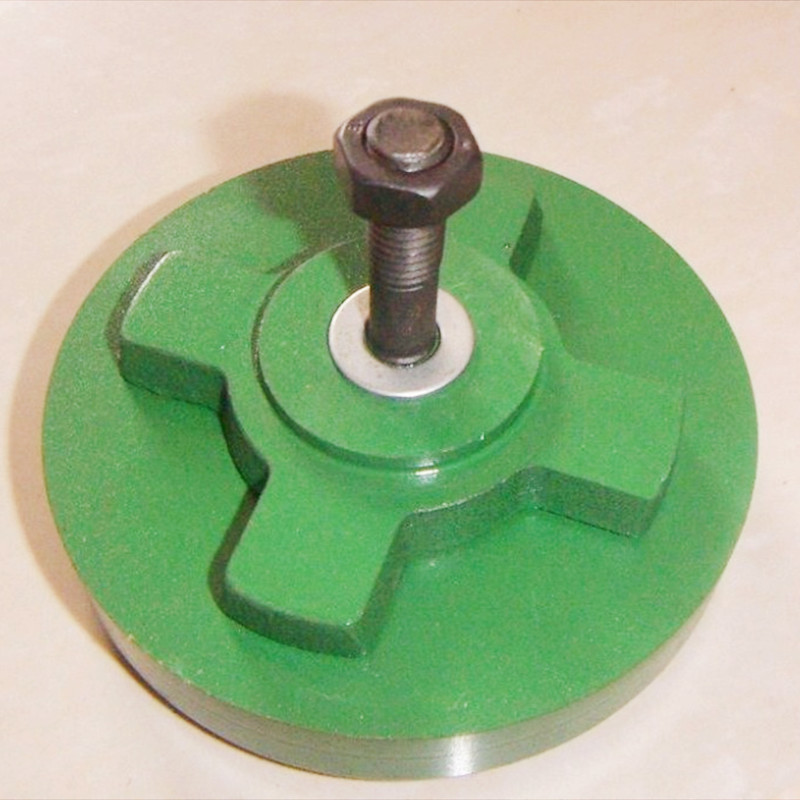
The Impact of Pad Vibration on Performance In the realm of technology and engineering, pad vibration is a critical topic that has garnered increasing attention. The phenomenon of vibration occurs when an object oscillates about a central point, and in the context of pads—whether they be found in machinery, sports equipment, or consumer technology—understanding vibration dynamics can significantly enhance performance and user experience. Understanding Pad Vibration Pad vibration can be described as the oscillatory motion that occurs when pads are subjected to external forces. This could be in the form of mechanical stress in machines, or the impact forces experienced during sports. For instance, in the automotive industry, brake pads are designed to create friction when activated, leading to vibrations that can affect driving performance and comfort. In technologies like gaming controllers or musical instruments, vibrations can either enhance or detract from user interaction, depending on their design and intended function. The Science Behind Vibration At its core, pad vibration is a mechanical phenomenon defined by frequency, amplitude, and damping. The frequency relates to how fast the vibrations occur, amplitude to the strength of these oscillations, and damping to how the vibrations dissipate over time. Engineers often employ various materials and designs to manipulate these factors for optimal performance. For example, softer materials can absorb more vibration energy, reducing discomfort and enhancing stability during operation. Applications in Sports Equipment One of the most profound applications of understanding pad vibration is in sports equipment design. Sports pads, such as those used in football, hockey, or cycling, are designed not just for protection, but also to manage and optimize vibrations . For instance, in cycling, seat pads are engineered to minimize vibrations from uneven surfaces. This not only enhances rider comfort but also improves performance by allowing for better energy transfer between the cyclist and the bike. pad vibration Moreover, in footwear, pads designed with specific vibrational characteristics can significantly affect athletic performance. Running shoes, for example, utilize vibration-dampening materials in the soles to absorb shocks, reduce fatigue, and improve overall efficiency. Athletes using these advanced designs report less strain and a lower risk of injury, demonstrating that thoughtful design concerning pad vibration can lead to significant performance enhancements. Innovations in Technology Recent advances in technology have opened new avenues for exploring and utilizing pad vibration. In the realm of consumer electronics, vibration feedback in devices—such as smartphones and gaming consoles—has become a key component of user interface design. By integrating vibration motors and sensors, manufacturers can create a more immersive experience, improving user engagement through tactile feedback. Furthermore, the development of smart materials and adaptive technologies is revolutionizing how we think about vibration management. For instance, some automotive manufacturers are beginning to use active suspension systems that can adjust in real-time to changing conditions, effectively controlling the amount of vibration transmitted through the vehicle's chassis. Challenges and Considerations Despite the numerous benefits associated with optimized pad vibration, there are challenges that developers and engineers must navigate. Uncontrolled vibrations can lead to a range of issues, including component wear, loss of efficiency, and user discomfort. Additionally, the cost implications of implementing advanced vibration management technologies can be significant, a factor that must be balanced with performance benefits. Conclusion In summary, pad vibration is a multifaceted subject that transcends various industries and applications. From sports equipment to consumer technology and automotive design, the impact of vibration on performance is profound. As research continues and technology evolves, we are likely to see even more innovative solutions that harness the benefits of pad vibration while mitigating its challenges. Ultimately, understanding and controlling pad vibration is not just about reducing discomfort—it's about unlocking new levels of performance and user satisfaction across an array of applications.
-

High quality industrial productsagement

High quality industrial products
View Details -

Meet the diverse needs of customers

Meet the diverse needs of customers
View Details -

Strict quality control

Strict quality control
View Details -

Top raw materials

Top raw materials
View Details -

Trusted supplier

Trusted supplier
View Details
Our application


news and information
veitsen porttiventtiilityypit
Knife gate -venttiilit ovat erityinen venttiilityyppi, joka on suunniteltu erityisesti kiinteiden ja
Wholesale Supply Solutions for Valves and Related Components
Understanding the Valve Wholesale Industry Trends and Insights In the dynamic landscape of industria
Y Type Strainer Function
In the world of fluid mechanics and piping systems, maintaining the efficiency and longevity of equi
 English